Bring your outdoor spaces together
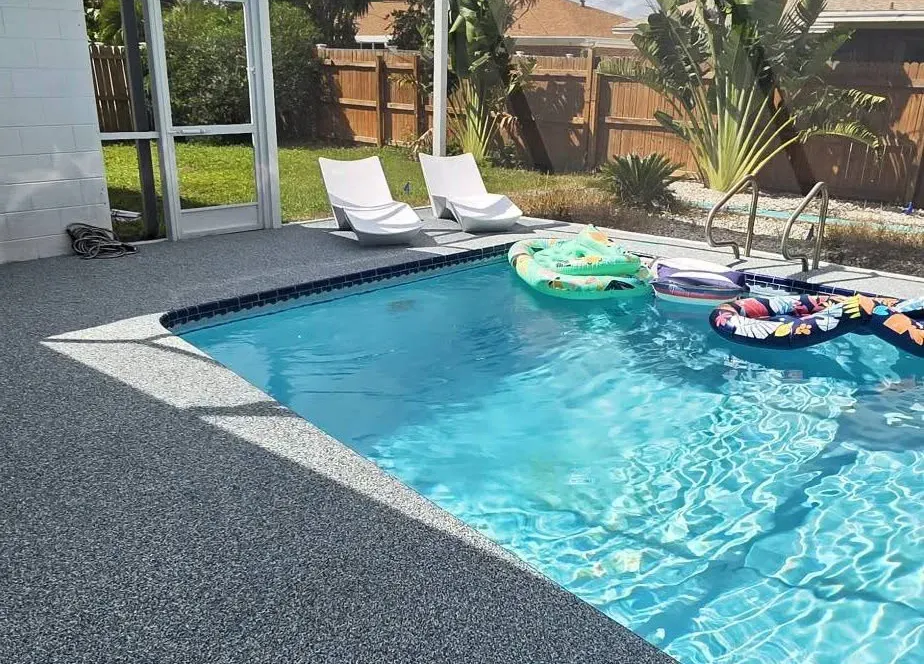
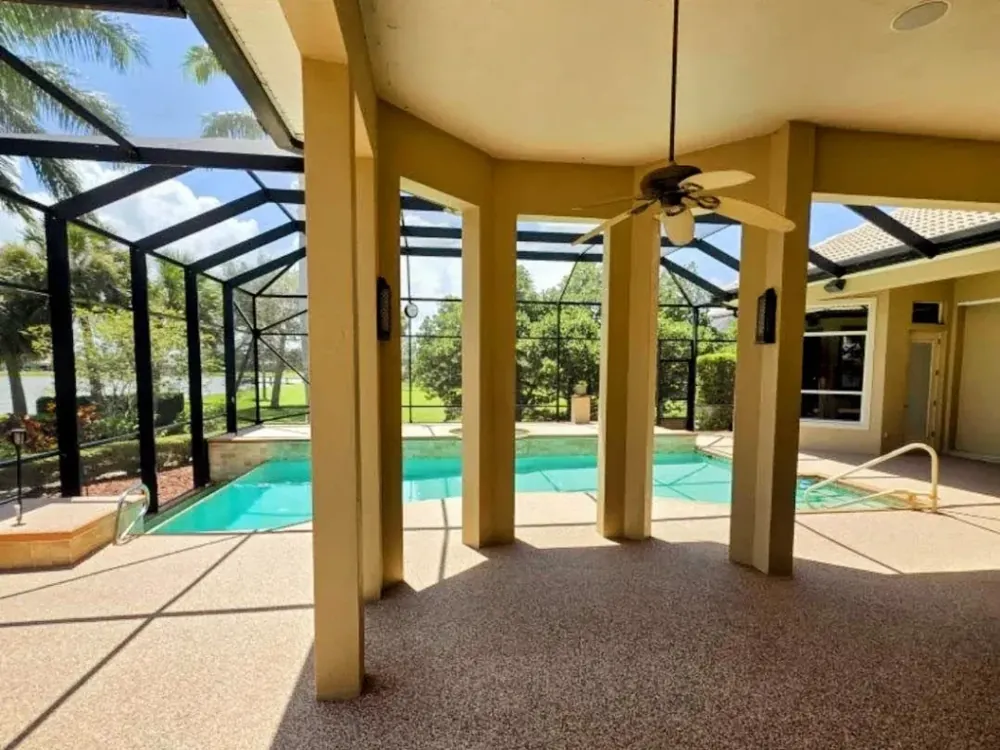
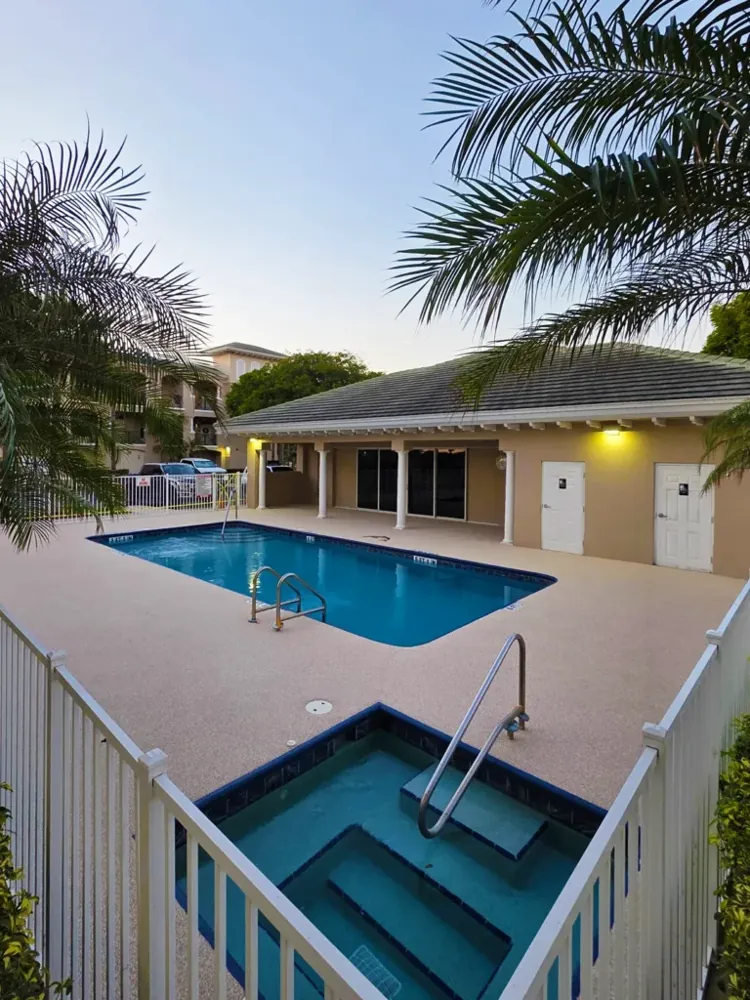
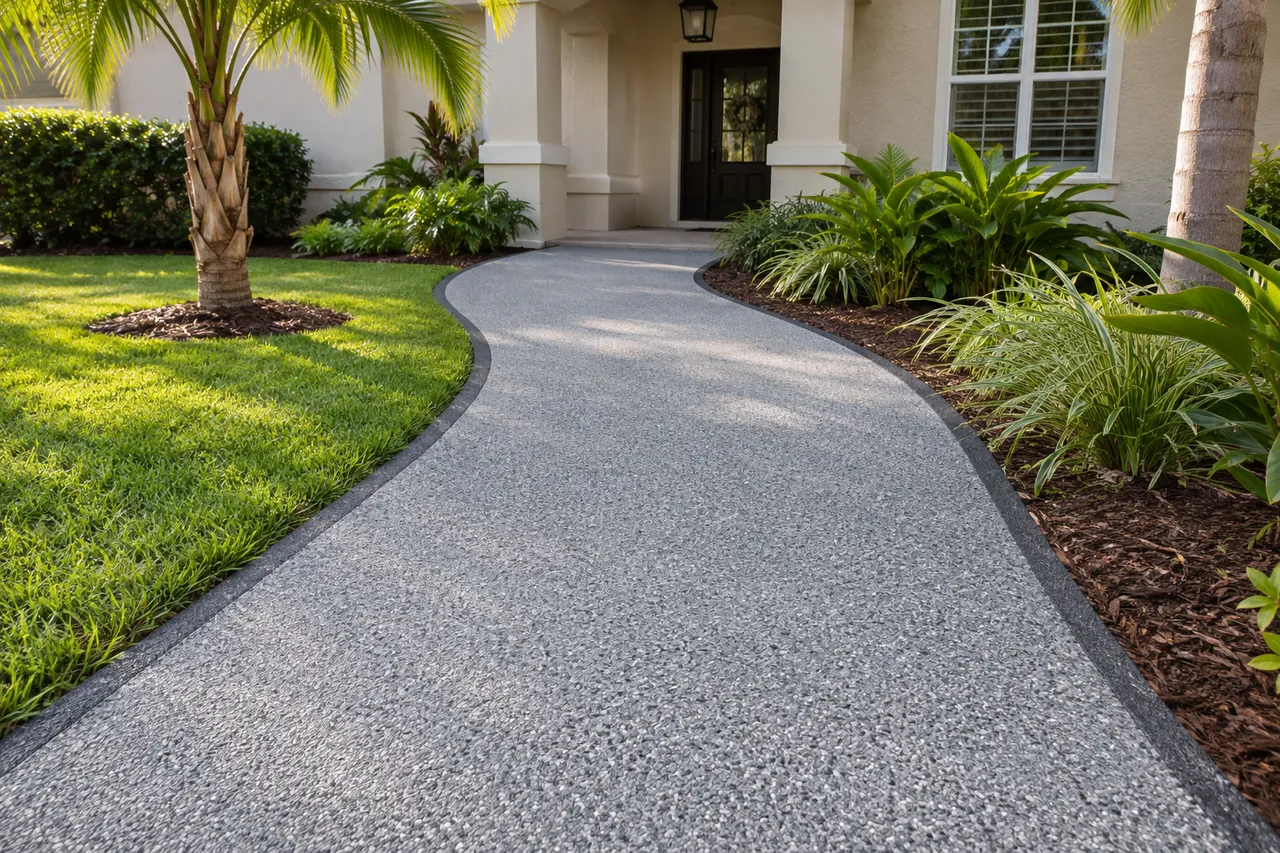
Walkway resurfacing refreshes the paths people use between an entrance, patio, garden or pool area. Covered Safety Surfacing Florida assesses the existing base and helps you select a rubber finish for the way the route is used. A connected color blend can bring several outdoor areas together, while a simple border can give the path a clear edge. Start by describing where the walkway leads, who uses it and which parts need attention. Photos of the entire route, including its ends and adjoining surfaces, help the team understand the project before an assessment.
Can rubber surfacing go over an existing walkway?
A suitable concrete or paver walkway can be considered after the base is checked. Loose pavers, unstable edges, recurring cracks, drainage problems and unsuitable coatings need attention before a new finish is planned. An overlay changes the surface people walk on; it does not replace the need to address movement underneath. Tell the team where water collects after rain and show any places that have been repaired before. Your written proposal should identify the preparation required for each section and explain how the new surface will meet adjacent paving, garden borders and entrances.
Plan the route, edges and changes in level
The details at the beginning and end of a walkway matter as much as its appearance. Door thresholds, gates, steps, drains and connections to a pool deck or patio should be reviewed together. Describe everyday use, including strollers, mobility aids, garden furniture and delivery access on foot, so the team can discuss an appropriate specification. A textured finish still needs regular cleaning and sensible care in wet conditions. If the route has a specific accessibility or building requirement, share the relevant plans or specifications before work is quoted so those requirements can be reviewed.
How should you prepare for walkway resurfacing?
Before installation, agree on how people will reach the property or move between outdoor areas while the path is unavailable. Remove planters, decorations and other movable items from the work area, and discuss how nearby planting and fixed features will be protected. Installation and curing are separate stages, and the return-to-use time depends on the selected system, weather and site conditions. Follow the written instructions before reopening the walkway or placing items on the finish. For shared community paths, plan clear communication and an alternative pedestrian route with the property manager before the work begins.
What should your written quote include?
A useful quote identifies the areas to be treated, the chosen system and the preparation required for the existing base. Ask how drains, edges, joins and changes in level will be handled. Confirm whether repairs, removal of unsuitable coatings and furniture moving are included or separate. The price should be read alongside those details rather than compared as a single number. Before approving work, make sure you understand the scope, exclusions, schedule and conditions for returning the space to use.
Choose colors from real samples
An on-screen blend is a starting point, not a final material approval. Ask to see current physical samples next to the surrounding finishes and in the lighting where the surface will be used. Consider the house color, trim, adjacent flooring and expected cleaning routine. Borders and custom details should be agreed in the layout before installation. Availability can change, so confirm the actual product and blend in the written proposal rather than relying on the illustrative colors shown on this website.
What happens after installation?
Follow the care instructions for the exact system installed at your property. Ask which cleaners, equipment and furniture protectors are recommended, and how to inspect the surface around edges and drains. Return-to-use instructions should explain when the area can reopen and when furniture or fitness equipment can be placed on the new finish. Keep the product details and written warranty with your property records. If damage or a change in the base appears, contact the team before attempting a repair or applying another coating. The right maintenance plan depends on use and exposure.
How much will this project cost?
There is no single published rate that fits every property. Area, base condition, preparation, access, edge details and the selected system all affect the scope. Approximate dimensions and photographs help with the first conversation, while a site assessment establishes what needs to happen before installation. Request a written quote and ask about the proposed product, expected maintenance and applicable warranty terms. Our cost guide explains how to compare proposals and which project details to gather before you call.
Explore the rubber surfacing cost guide or compare rubber, pavers and cool-deck-style coatings before making a decision.