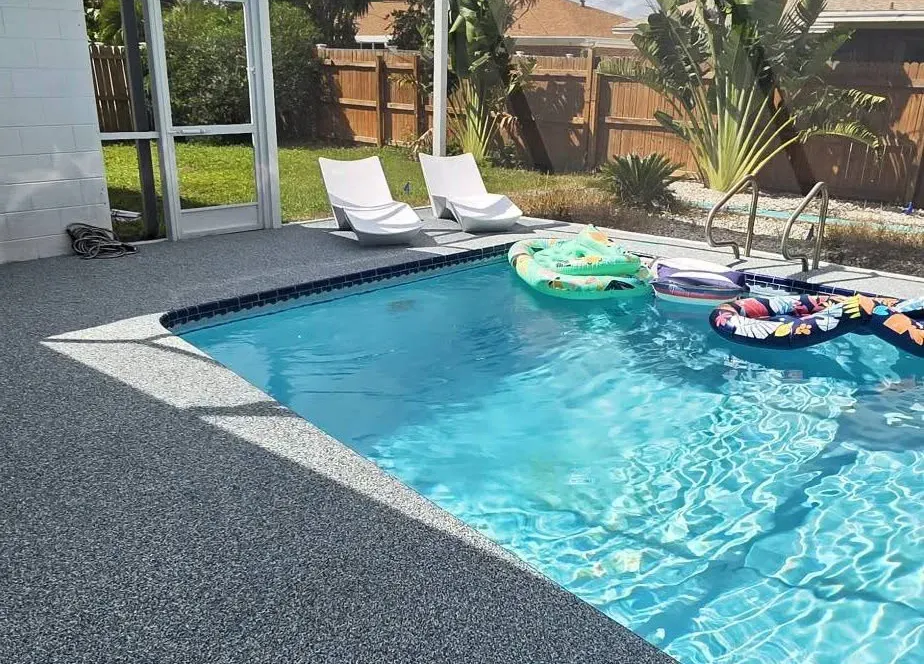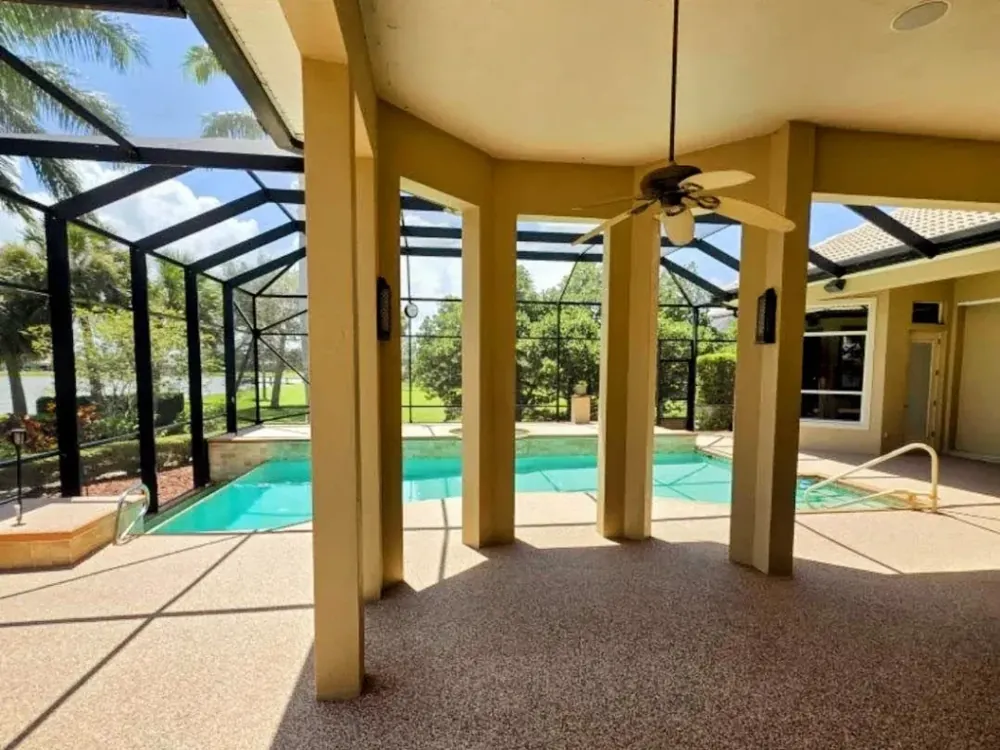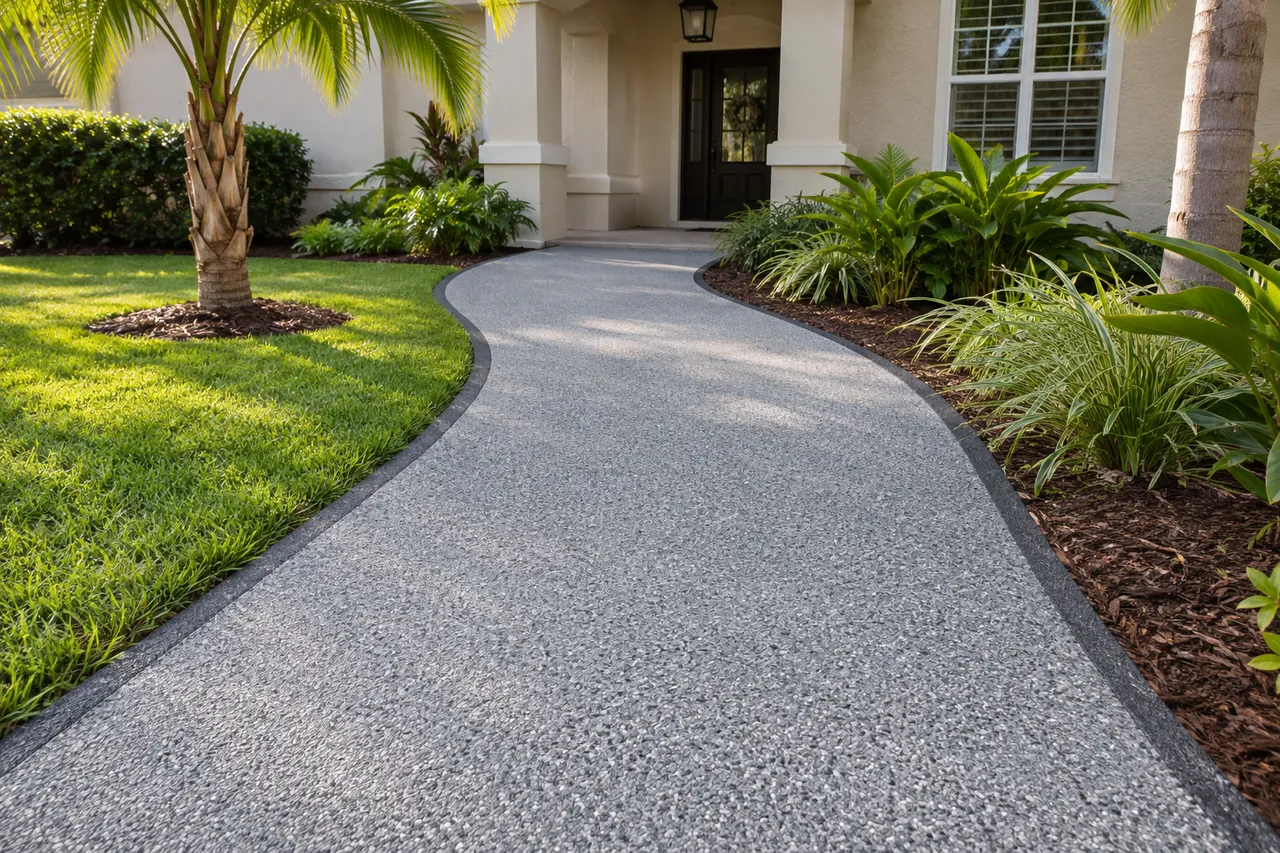
Start with the activity, not just the color
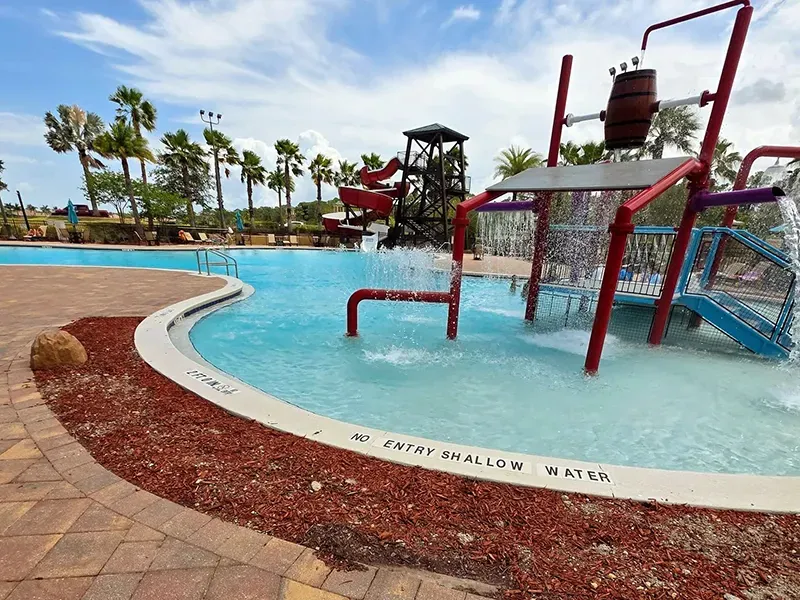
A playground fall zone and a splash pad have different performance demands. A surface used beneath climbing equipment must be considered in relation to the equipment and required impact performance. A wet play area introduces water, cleaning chemistry and drainage questions. Describe the intended users, equipment and operating conditions at the beginning of the discussion. Rubber surfacing is a broad category, so a general material description should never substitute for the specification and test documentation required for your particular facility.
Compare poured systems and modular options
We offer CombiTile installation as well as rubber granular surfacing. A modular system and a troweled surface can have different base requirements, repair methods and drainage details. Request product information for the exact proposed system, including the intended application and applicable testing. The manufacturer’s documentation should guide the design rather than a photograph of an unrelated site. Discuss how future equipment changes or repairs will be managed and whether replacement components can be obtained for the proposed finish.
Make accessibility and drainage part of the scope
Routes into a play area, transitions at gates and paths around equipment need to be planned together. A facility’s accessibility requirements are specific to the project; a rubber label alone does not establish compliance. The same is true of drainage. Standing water may reflect a base or site problem that a finish cannot solve. Bring available plans, equipment information, maintenance records and any consultant specifications to the assessment so the surface proposal can be checked against the project’s actual requirements.
Plan installation around the facility calendar
Schools, associations and recreation operators need a realistic closure plan. Consider school holidays, pool operating hours, contractor access and where materials can be staged. The work schedule should separate base preparation, surfacing and the period before the space is released for use. Agree who will maintain barriers and communicate the reopening date. Ask for cleaning, inspection and repair guidance at handover, together with the product and installation documents relevant to your project. A well-planned surface includes a practical maintenance process after the installation crew leaves.
What should your written quote include?
A useful quote identifies the areas to be treated, the chosen system and the preparation required for the existing base. Ask how drains, edges, joins and changes in level will be handled. Confirm whether repairs, removal of unsuitable coatings and furniture moving are included or separate. The price should be read alongside those details rather than compared as a single number. Before approving work, make sure you understand the scope, exclusions, schedule and conditions for returning the space to use.
Choose colors from real samples
An on-screen blend is a starting point, not a final material approval. Ask to see current physical samples next to the surrounding finishes and in the lighting where the surface will be used. Consider the house color, trim, adjacent flooring and expected cleaning routine. Borders and custom details should be agreed in the layout before installation. Availability can change, so confirm the actual product and blend in the written proposal rather than relying on the illustrative colors shown on this website.
What happens after installation?
Follow the care instructions for the exact system installed at your property. Ask which cleaners, equipment and furniture protectors are recommended, and how to inspect the surface around edges and drains. Return-to-use instructions should explain when the area can reopen and when furniture or fitness equipment can be placed on the new finish. Keep the product details and written warranty with your property records. If damage or a change in the base appears, contact the team before attempting a repair or applying another coating. The right maintenance plan depends on use and exposure.
How much will this project cost?
There is no single published rate that fits every property. Area, base condition, preparation, access, edge details and the selected system all affect the scope. Approximate dimensions and photographs help with the first conversation, while a site assessment establishes what needs to happen before installation. Request a written quote and ask about the proposed product, expected maintenance and applicable warranty terms. Our cost guide explains how to compare proposals and which project details to gather before you call.
Explore the rubber surfacing cost guide or compare rubber, pavers and cool-deck-style coatings before making a decision.
Product references: CombiTile USA system information and CombiTile manufacturer information. Review the documentation for the exact system specified for your project.